
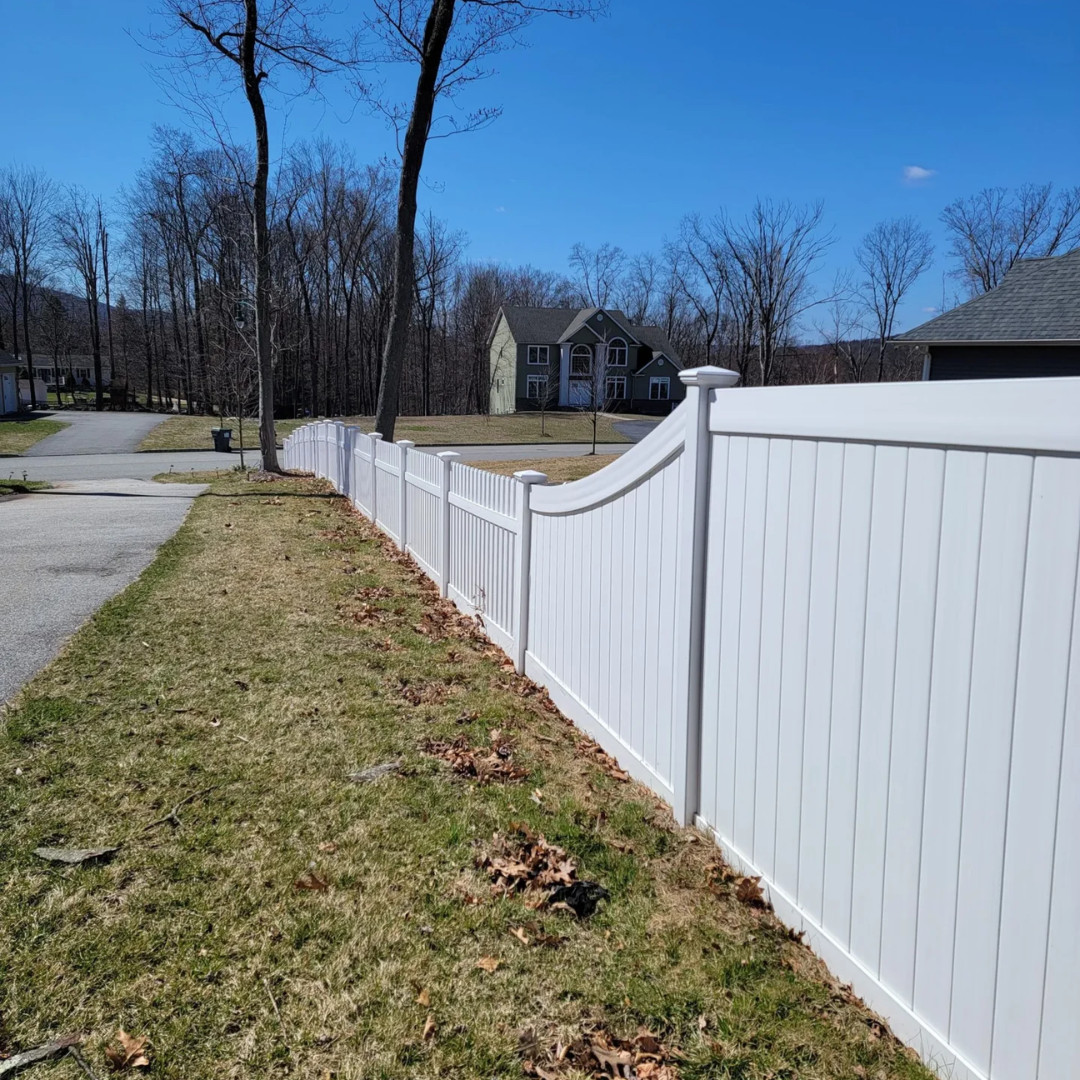
Picking the right team to build your fence sounds simple. Call someone, get a quote, done. But if you’ve ever seen a fence leaning six months later or a gate that won’t close right, you know it’s not that easy. A fence isn’t just a few posts and panels. Its structure. It’s security. It’s curb appeal. And if it’s done badly, it shows.
When you’re investing real money into your property, you want it to last. That means choosing the right fencing installation company, not just the cheapest one that pops up online.
Start With Experience, Not Just a Low Price
The first mistake people make is chasing the lowest quote. I get it. Fences aren’t cheap. But price alone tells you almost nothing about quality.
An experienced fence installation company will ask questions before throwing numbers at you. They’ll want to know about your soil, property lines, drainage, slope, and even local codes. If someone gives you a quote in five minutes without seeing the site, that’s a red flag.
Companies like Navigator Stone & Fence focus on the long game. They build for durability, not quick turnover. That matters more than saving a small percentage upfront.
Check What They Actually Specialize In
Not every contractor who installs fences is a true Fence and Gate Specialist, or an Outdoor Living Space builder. Some are general contractors who add fencing as an extra service. There’s a difference.
Specialists understand gate weight distribution. They know how to prevent sagging. They know which post depth works best for different climates. They’ve handled tricky layouts and uneven ground. If you want a fence that still looks solid years from now, specialization matters.
Look at Their Fence Installation Process
Ask them to walk you through their fence installation process. A real professional will explain:
- How do they mark utilities?
- How deep do they dig post holes?
- What type of concrete do they use?
- How long do they allow curing?
- How do they align and level panels?
If they can’t clearly explain their process, that’s not great. You want consistency, not guesswork. Some companies rush the setting time. Some cut corners on materials. You won’t notice immediately, but you will later. A clear and structured approach tells you they’ve done this many times before.
Ask About Materials and Get a Comparison
Not all wood is the same. Not all vinyl is equal. And metal fencing varies a lot more than people realize. A good contractor should be able to provide a fence material comparison guide tailored to your needs. That means breaking down:
- Wood types and their lifespan
- Vinyl thickness grades
- Aluminum vs steel differences
- Maintenance requirements
- Weather resistance
If they push one material without explaining why, be cautious. The right material depends on your goals and budget, not what’s easiest for them to install.
Understand Popular Fence Styles Before You Decide
Homeowners often choose a fence style based on looks alone. That’s fine, but you should know how it performs, too. Ask about popular fence styles in your area. For example:
- Privacy panels for backyard seclusion
- Picket fences for front yard charm
- Horizontal slat modern designs
- Wrought iron style for elegance and durability
Each style has structural implications. A tall privacy fence catches more wind. A decorative metal fence may require heavier anchoring. A knowledgeable fencing installation company will guide you instead of just taking your order.
If Privacy Is the Goal, Be Specific
If your main concern is blocking visibility, then work with a privacy fencing installation company that understands sound buffering, height restrictions, and gap spacing.
There’s also a difference between a privacy fence installation company that installs standard panels and one that custom builds to eliminate sightlines completely.
Tiny gaps between boards might not seem like much, but they defeat the whole purpose. Make sure the contractor understands that privacy means actual privacy.
Read Reviews, But Read Them Carefully
Online reviews help, but don’t just look at the star rating. Read the details. Do customers mention durability? Clean job sites? On-time completion? Good communication?
Also, check how the company responds to complaints. No company is perfect. But respectful, solution-focused responses show professionalism. If multiple reviews mention leaning posts or gates that don’t latch properly, pay attention.
Licensing, Insurance, and Permits
This part isn’t exciting, but it’s necessary. Make sure they’re licensed where required. Confirm they carry liability insurance. Ask who handles permits. If the contractor says you don’t need one without checking local rules, that’s risky.
A responsible fence install company will take care of compliance and paperwork instead of pushing it onto you.
Communication Matters More Than You Think
You’ll be dealing with this company for days or sometimes weeks, depending on project size. If they’re hard to reach before the contract, it won’t improve later. Clear timelines. Written contracts. Defined warranties. These things protect you.
Navigator Stone & Fence, for example, emphasizes structured communication. That reduces misunderstandings and helps projects move smoothly. If someone avoids putting things in writing, that’s not a good sign.
Ask About Warranty and Post-Installation Support
Even well-built fences can experience minor settling. What matters is how the company handles it. Ask:
- Is there a workmanship warranty?
- How long does it last?
- What does it cover?
- Do they offer inspection follow-ups?
A reliable fencing installation company stands behind its work.
Look at Their Previous Work
- Photos are good. Seeing projects in person is better.
- Ask for local references. Drive by if possible. Look at alignment, post spacing, and how gates sit. Crooked lines are easy to spot.
- You can tell a lot from small details. Clean cuts. Even spacing. Solid hardware.
- Long-lasting results come from attention to those details.
Don’t Rush the Decision
If you’re eager to get the project done, it can be tempting to hire the first contractor who seems decent. But, at least a comparison of two or three companies puts things in perspective.
If you do interview several, ask all of the same questions. Pay attention to who gives detailed answers and who gives vague ones. Sometimes, the right one isn’t to pay less or go faster. It’s the one who gives a damn about your property.
Final Thoughts
Choosing the right contractor isn’t complicated, but it does require paying attention.
Look for experience. Ask about materials. Understand the fence installation process. Make sure they’re insured. Check reviews carefully. And choose someone who communicates clearly.
A fence should stand strong for years. It should handle weather, daily use, and time without constant repairs. If you invest wisely upfront, you won’t be dealing with sagging gates and leaning posts later. And that’s the whole point.
FAQs
1. What kind of professional fencing installation company qualifications are essential?
A professional fencing installation company, such as Navigator Stone & Fence, will hold the proper licensing, liability insurance, and local permit knowledge. They should know soil conditions, structural standards, and property codes. Certifications have their place, but when safeguarding your investment from harm, demonstrated field experience and referenceable safety protocols carry greater weight.
2. How do you verify the experience and reliability of a fence contractor?
Read reviews online, ask for local references, and request to view previous work. A trustworthy contractor offers written estimates, definitive timelines, and proof of insurance. Take note of the tone and consistency of communication. Most contractors who confidently describe their process have deep hands-on experience.
3. What materials should you expect from an established fence company that stand up over time?
A good company will have treated wood, vinyl, aluminum, and stored products. They should clarify how lifespan, maintenance, and weather resistance differ between materials. Using strong materials with proper installation guarantees stability, structural integrity, and fewer frequent repairs over time.
4. How do the warranties and workmanship guarantee play into your decision?
You still have an article idea to protect you from both defects and poor installation practices. A craftsmanship warranty indicates that the contractor backs up the quality of their work. You risk having to cover repairs due to improper installation without warranty coverage. Strong guarantees show confidence, professionalism, and commitment to long-term accountability.

Leave a Reply