
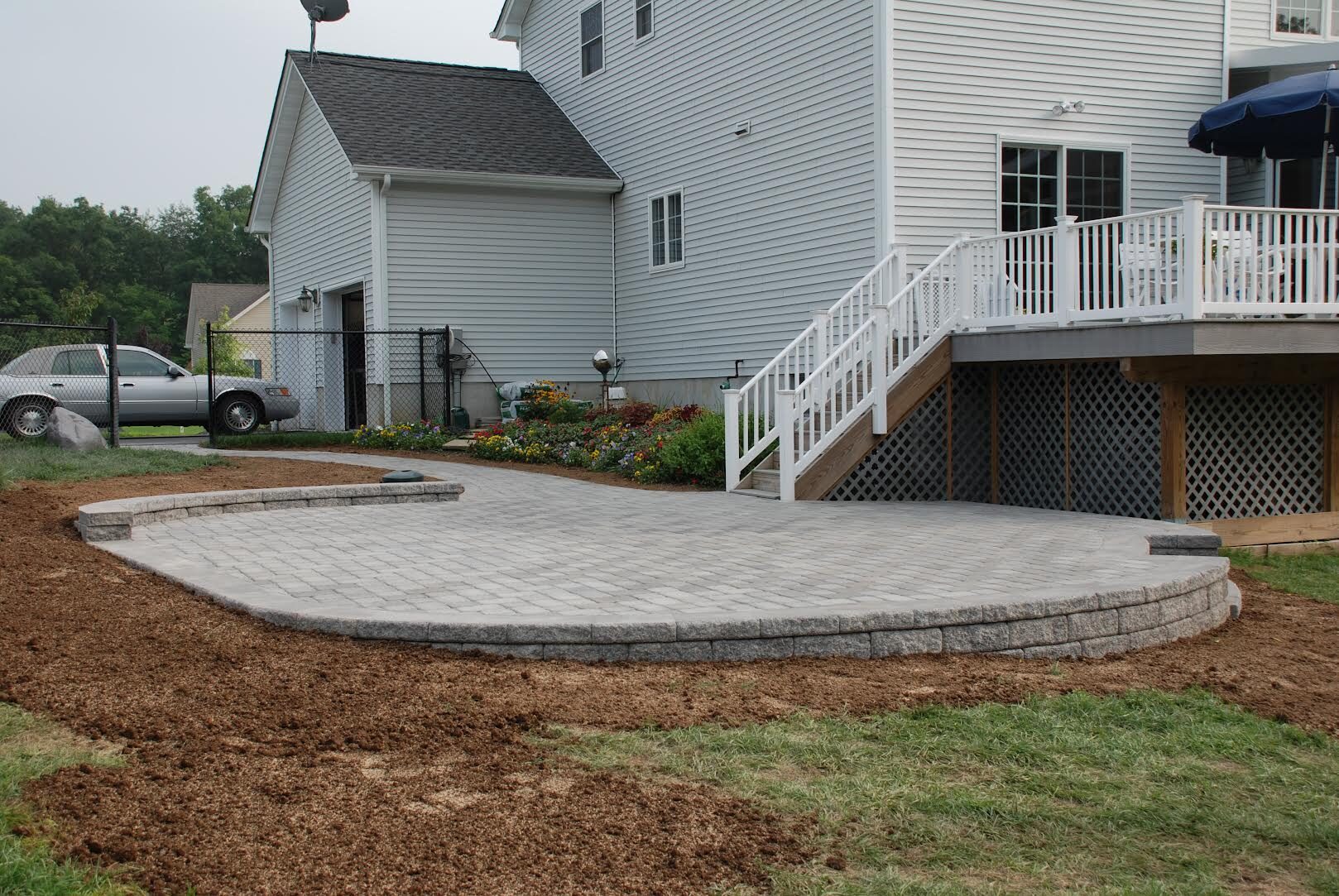
Picking a patio material is one of those things people think is easy. Then they start asking questions. Will it crack? Will it fade? Will it still look decent in five or ten years? And how much am I going to spend fixing it later?
Around Branchville, a lot of homeowners want something solid. Not flashy. Not cheap-looking. Something that holds up. When people plan a Paver patio in Branchville, NJ, durability usually matters more than trends.
Navigator Stone & Fence works with homeowners who care about long-term value, not quick installs that look good for one season and then start falling apart.
This is a straight look at patio materials and how they actually perform over time.
What durability really means for a patio?
Durability is not just strength. It is how the surface reacts to water, weight, sun, and winter. New Jersey weather is rough on outdoor spaces. Freeze and thaw cycles push materials hard. Poor drainage makes it worse.
A patio that lasts needs a solid base and the right material. Skip either one, and problems show up fast.
That is why experienced stone patio contractors focus on groundwork first. The surface is only as good as what sits underneath it.
Concrete patios sound good until they crack
Concrete is often the cheapest option. That is why people choose it. At first, it looks clean and simple. After a few winters, cracks usually show up. Sometimes sooner.
Once concrete cracks, there is no real fix that looks right. Patching stands out. Replacing means tearing everything out.
Stamped concrete tries to look like stone. It works for a while. Color fades. The surface wears down. Repairs are obvious. Long-term value is not great.
Most homeowners who replace concrete say they wish they had chosen stone or pavers from the start.
Brick pavers have limits
Brick pavers have a classic look. They work well for walkways or small patios. They allow some movement, which helps prevent cracking.
Over time, brick can fade. Weeds can grow between joints if maintenance slips. Brick also struggles with heavy furniture and constant use.
For a larger Paver patio in Branchville, NJ, brick is usually not the first choice anymore. It works, but there are better options now.
Concrete pavers are better
Concrete pavers are stronger than brick and more consistent. They come in many shapes and colors. When installed properly, they handle movement well.
The issue is quality. Some pavers chip or fade faster than expected. Cheaper products show wear quickly.
This is where working with reliable stone patio contractors matters. Choosing the wrong paver saves money upfront but costs more later.
Natural stone stands apart
Natural stone has been used for patios for a reason. It lasts. It ages well. It does not go out of style. It does not fade the way manufactured materials do.
Each piece is different. That gives patios a natural look you cannot fake.
The variety of stone materials at Navigator Stone & Fence means you don’t have to get stuck with one look. Some options include bluestone, limestone, travertine, rainbow stone, as well as thermal bluestone, which are available in textures such as natural cleft, teakwood tone, autumn brown, and fossil stone, among others.
That range allows patios to complement the home rather than fight it.
Why does stone hold value over time?
Stone patios tend to outlast other materials. They also add resale value. Buyers notice real stone. It feels solid. It looks intentional.
If repairs are ever needed, individual stones can often be reset instead of replaced. That saves money and keeps the patio looking consistent.
Many homeowners planning a Paver patio in Branchville, NJ, choose stone because they do not want to redo the project in ten years.
Installation makes or breaks the patio
Material alone does not guarantee durability. Poor installation causes sinking, shifting, and uneven surfaces.
Good stone patio contractors spend time on base prep, grading, and drainage. This part is not visible, but it is what keeps the patio stable.
Navigator Stone & Fence focuses on building patios that stay level and drain properly. Cutting corners here leads to problems later.
Choosing stone based on how you use the space
Not all stone works the same way. Some stones handle heavy use better. Some stay cooler in the sun. Some offer better traction.
Bluestone is popular for its strength and clean lines. Thermal finishes add grip. Travertine works well around pools because it stays cooler.
This is where guidance from experienced stone patio contractors helps. Matching the stone to how the patio will be used matters.
Maintenance over the years
Stone patios do not require constant attention. Occasional cleaning and sealing are usually enough. There is no cracking to patch and no fading surface to fix.
A well-built Paver patio in Branchville, NJ, using natural stone, can still look strong years later with basic care.
That is part of the long-term value people talk about.
Looking at cost the right way
Upfront cost is only one part of the picture. Repairs, replacements, and visual wear add up.
Concrete is cheap at first and expensive later. Brick and concrete pavers fall in the middle. Natural stone costs more initially but often costs less over time.
Working with skilled stone patio contractors helps avoid mistakes that turn into expensive fixes.
Final thoughts
If durability and long-term value matter, natural stone is hard to beat. It holds up to weather, weight, and time. It looks better as it ages.
Navigator Stone & Fence focuses on custom stone patios built to last. For homeowners planning a Paver patio in Branchville, NJ, stone is often the choice they feel best about years after installation.
FAQs
1. Is natural stone really worth the extra cost?
In most cases, yes. Stone lasts longer and usually needs fewer repairs.
2. What stone works best for heavy-use patios?
Bluestone and thermal bluestone are strong and reliable options.
3. How does Stone handle New Jersey winters?
When installed correctly, stone performs well through freeze and thaw cycles.
4. Why hire professional stone patio contractors?
Proper base preparation and drainage make a big difference in how long a patio lasts.

Leave a Reply